β€Ί
Research & Planning
Β·
February 2026

From Idea to Reality: A Roadmap for First-Time Product Creators

A practical guide for first-time product creators navigating the journey from initial concept to market-ready product β€” covering every major phase of development so you can anticipate challenges and set realistic timelines.
Marcus Riganelli
Marcus Riganelli, P.Eng.
Principal Engineer
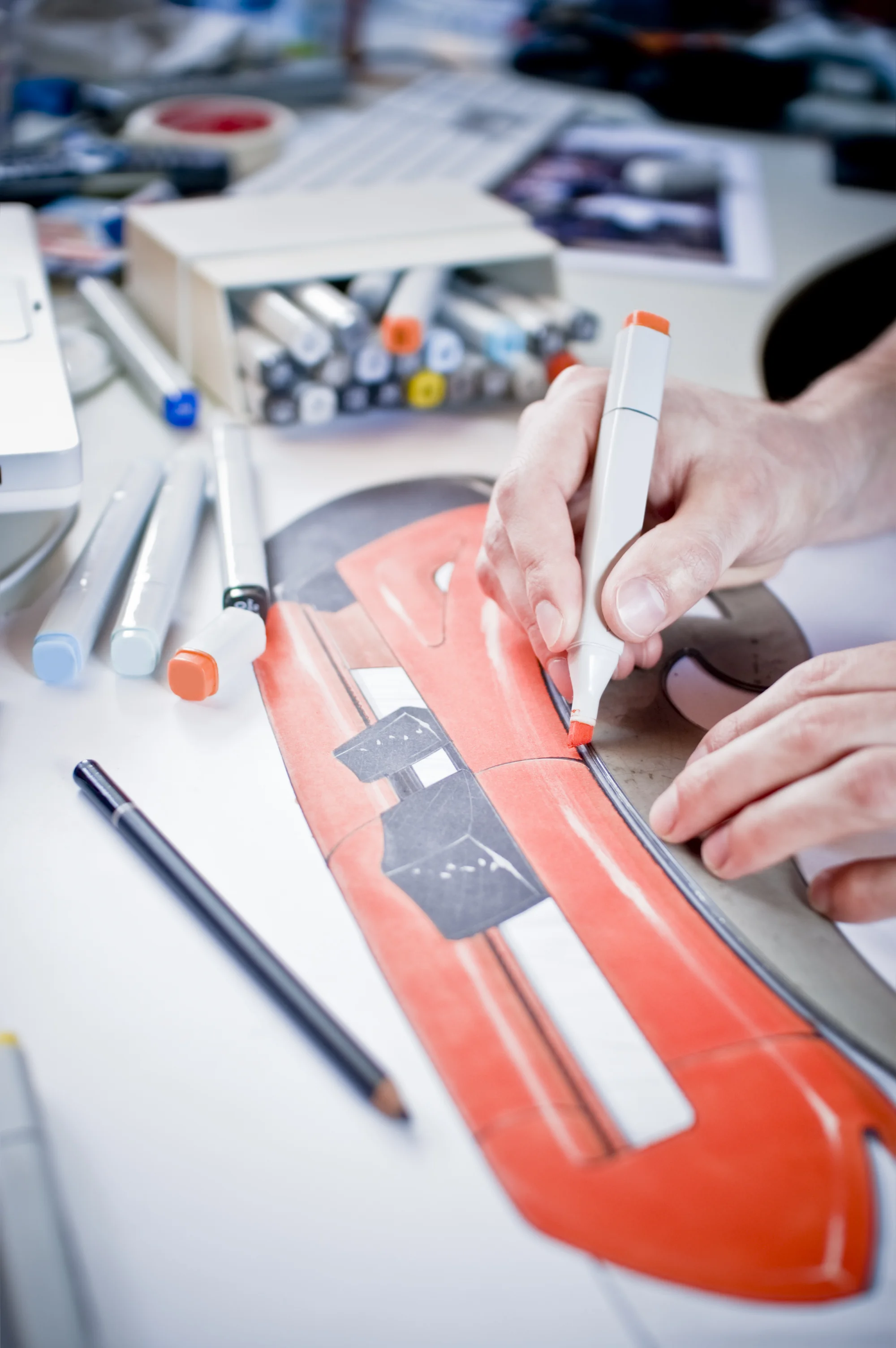
Industrial designer hand-rendering a product concept with markers during early development

Transforming a product concept into a market-ready reality involves navigating a complex development process that combines creative design, rigorous engineering, and strategic planning. For small to mid-sized businesses without dedicated engineering departments, this journey presents both technical and logistical challenges. If you’ve explored product development before and found it overwhelming, slow, or expensive β€” you’re not alone, and a structured roadmap can make all the difference.

This guide outlines the essential phases of product development based on our experience at Riganelli Engineering working with clients developing their first proprietary products. Whether you’re a manufacturer looking to expand your product line, a distributor ready to launch your own brand, or a startup turning a validated idea into a real product β€” the fundamental framework remains consistent. We’ve applied it to projects ranging from vacuum lifting equipment to audio connectors and commercial kitchen appliances.

Phase 1: Discovery and Research

Market Analysis and Competitive Positioning

Effective product development begins with comprehensive research to validate market opportunities and identify competitive advantages. This means quantifying the target market size, growth trajectory, and segmentation characteristics. Competitive analysis should examine both direct competitors and adjacent solutions that address the same customer needs.

If you’ve been in your industry for years β€” especially if you’ve been distributing or reselling existing products β€” you likely already have deep insight into what works, what doesn’t, and what your customers wish existed. That knowledge is incredibly valuable at this stage. Together, we formalize it into a foundation the engineering work can build on.

Technical competitive analysis goes beyond marketing materials. It may involve purchasing and disassembling competitor products to analyze material selection, manufacturing methods, and engineering approaches. For example, when developing commercial kitchen equipment, analyzing heat distribution patterns, energy consumption, and material durability under high-temperature cycling provides actionable insights for differentiation.

Defining Product Requirements

Clear product requirements form the foundation of successful development. A well-structured requirements document should address:

  • Functional requirements β€” What the product must do, with measurable performance criteria
  • Environmental requirements β€” Operating conditions including temperature, humidity, vibration, and chemical exposure
  • Regulatory requirements β€” Applicable safety standards, certifications, and compliance needs
  • Manufacturing requirements β€” Target production volumes, cost constraints, and supply chain considerations
  • User requirements β€” Ergonomic factors, interface design, and maintenance accessibility

Investing time in thorough requirements development prevents costly mid-project changes and helps maintain focus throughout the design process. For businesses that have experienced scope creep or stalled projects in the past, this step is often the single biggest improvement to the development experience.
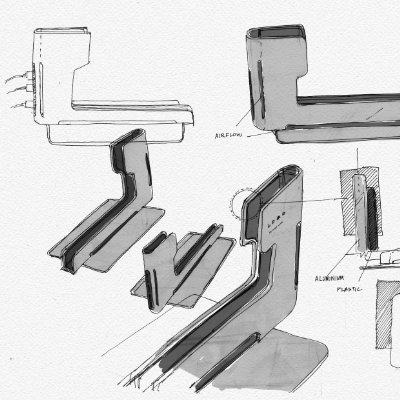
Concept sketches exploring different design directions for a product

Feasibility Assessment

Before committing significant resources, a feasibility assessment evaluates whether the product concept can be practically realized within your constraints. This includes:

  • Technical feasibility β€” Can the required performance be achieved with available technologies?
  • Economic feasibility β€” Can the product be manufactured and sold at a viable price point?
  • Regulatory feasibility β€” Can compliance requirements be met within the project timeline?
  • Resource feasibility β€” Are the necessary skills, equipment, and materials accessible?

This assessment helps identify potential showstoppers early, when changes are least expensive. It’s far better to discover a fundamental constraint during a feasibility study than after months of engineering work.

Phase 2: Concept Development and Planning

Concept Generation and Evaluation

With validated requirements in hand, concept development explores multiple approaches to meeting them. Effective concept generation combines creative thinking with engineering discipline, producing solutions that are both innovative and practical.

Each concept is evaluated against the requirements using structured methods such as decision matrices that weigh factors like performance, cost, manufacturability, and risk. This systematic approach helps avoid decisions based on personal preference rather than objective criteria.

Project Planning and Resource Allocation

Detailed project planning translates the selected concept into an actionable development roadmap:

  • Timeline development β€” Realistic scheduling that accounts for design iterations, prototyping lead times, and testing cycles
  • Budget allocation β€” Distributing resources across development phases based on complexity and risk
  • Risk management β€” Identifying potential obstacles and developing mitigation strategies
  • Milestone definition β€” Establishing clear checkpoints for progress evaluation and go/no-go decisions

Effective planning acknowledges that product development is inherently iterative. Building flexibility into the schedule accommodates the inevitable discoveries and adjustments that occur during development. Clear milestones also give you visibility into progress β€” so you always know where the project stands and what’s coming next.

Intellectual Property Considerations

Protecting your innovations requires early attention to intellectual property strategy:

  • Patent assessment β€” Evaluating which aspects of the design may be patentable
  • Prior art research β€” Identifying existing patents that may affect your design approach
  • Trade secret management β€” Establishing protocols for protecting proprietary information
  • Documentation practices β€” Maintaining records that support future IP claims

Working with an IP professional early in development helps ensure your innovations are properly protected before public disclosure. For businesses launching their first proprietary product, IP protection is one of the most important ways to safeguard the investment you’re making and maintain long-term control over your product.
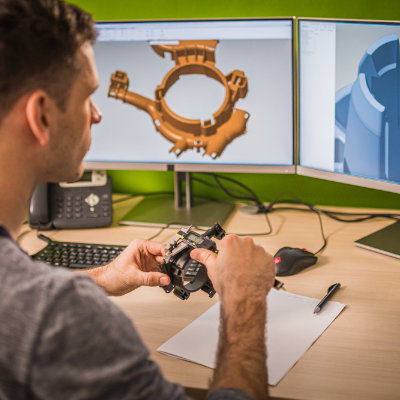
Engineer comparing a 3D CAD model on screen with a physical prototype

Phase 3: Engineering Design

Detailed Mechanical Design

Detailed design transforms concepts into fully specified, manufacturable products. This phase involves:

  • 3D CAD modelling β€” Creating comprehensive digital models that define every component
  • Structural analysis β€” Using tools like FEA (finite element analysis) to validate performance under expected loads
  • Tolerance analysis β€” Ensuring components fit and function correctly across manufacturing variations
  • Material specification β€” Selecting materials that balance performance, cost, and manufacturability

For complex assemblies, design reviews at key milestones help catch issues before they become embedded in the design.
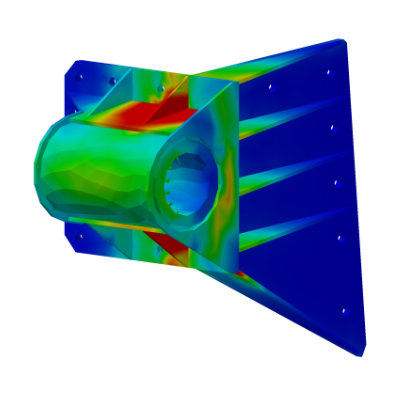
Finite element analysis (FEA) simulation showing stress distribution on a component

Electrical and Controls Design

Products with electrical systems require integrated design that addresses:
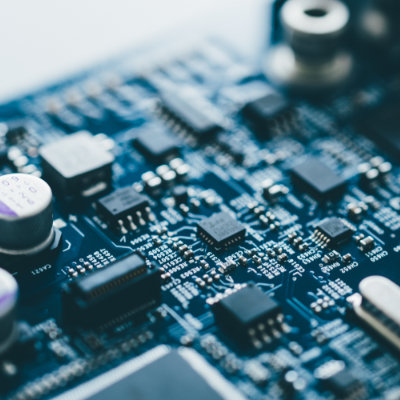
  • Circuit design and PCB layout β€” Custom electronics tailored to the product’s requirements
  • Component selection β€” Choosing parts that meet performance needs while considering availability and cost
  • Wiring and harness design β€” Routing and protecting electrical connections within the product
  • Firmware and software development β€” Programming embedded systems and user interfaces
  • Safety compliance β€” Meeting electrical safety standards and electromagnetic compatibility requirements

Custom PCB with surface-mount components for an electronic product

Design for Manufacturing

Throughout the engineering phase, design for manufacturing (DFM) principles ensure the product can be produced efficiently:

  • Process selection β€” Choosing manufacturing methods that balance cost, quality, and volume requirements
  • Feature optimization β€” Designing parts that are straightforward to produce with selected processes
  • Assembly considerations β€” Minimizing assembly steps and ensuring clear, repeatable procedures
  • Material availability β€” Specifying materials that are readily sourced and competitively priced

Early engagement with potential manufacturers provides valuable feedback on producibility and helps avoid costly redesigns later. This collaboration is something we facilitate on your behalf β€” ensuring you get the manufacturing insight you need while keeping full ownership of your design.
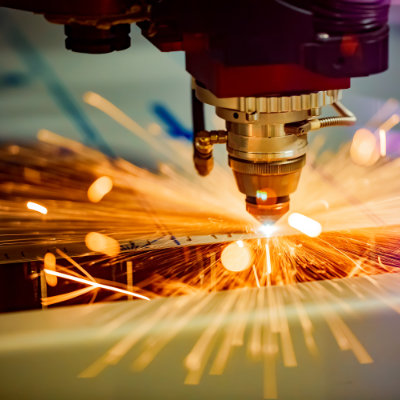
Laser cutting a metal component β€” one of many manufacturing processes considered during DFM

Manufacturing Documentation

Complete manufacturing documentation includes:

  • Detailed part drawings β€” With proper dimensions, tolerances, materials, and finish specifications
  • Assembly drawings β€” Showing how components fit together, with assembly sequences and fastener specifications
  • Bills of materials β€” Complete lists of every component, material, and purchased part
  • Manufacturing files β€” 3D models, flat patterns, and other digital files needed for production

This documentation package enables any qualified manufacturer to produce your product accurately and consistently.
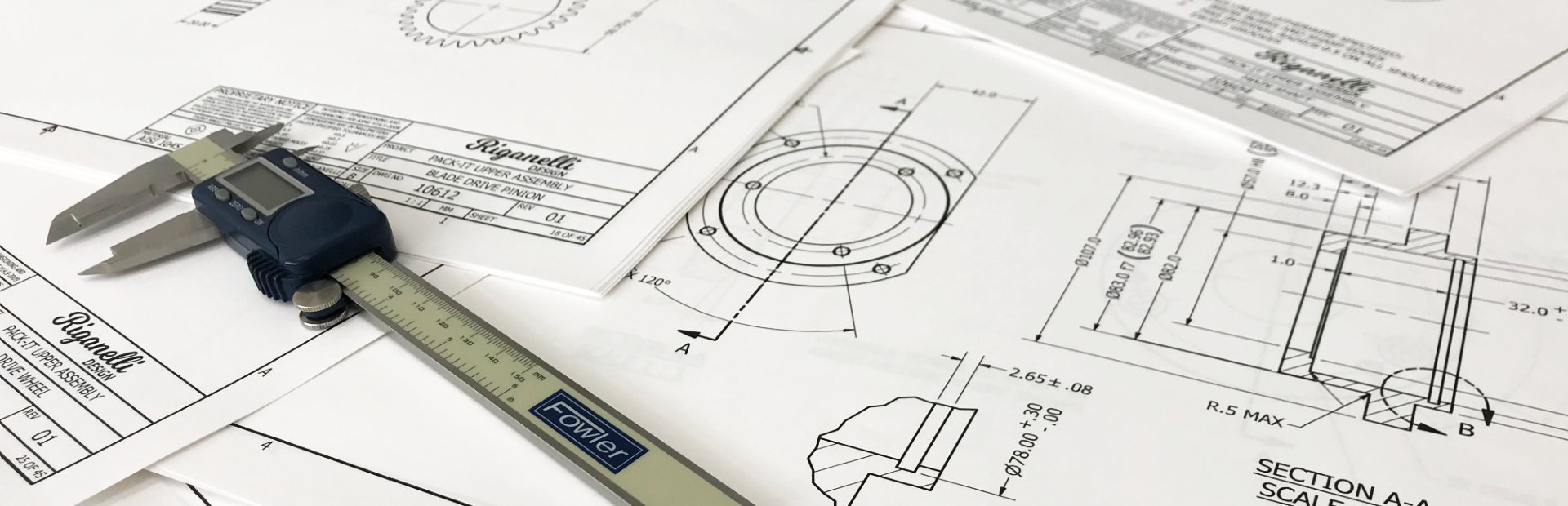
Professional manufacturing drawings with caliper on a drafting table

Phase 4: Prototyping and Validation

Prototype Development

Physical prototypes bridge the gap between digital design and production reality. Different prototype types serve different purposes:

  • Proof-of-concept prototypes β€” Validate fundamental operating principles early in development
  • Functional prototypes β€” Test mechanical and electrical performance under realistic conditions
  • Pre-production prototypes β€” Verify manufacturability using production-intent processes and materials

Each prototype iteration provides insights that refine the design. In-house prototyping capabilities β€” including 3D printing, CNC machining, and electronics assembly β€” allow for rapid iteration and faster development cycles. In many cases, we can go from design change to updated prototype in days rather than weeks, which can save months over the course of a project.
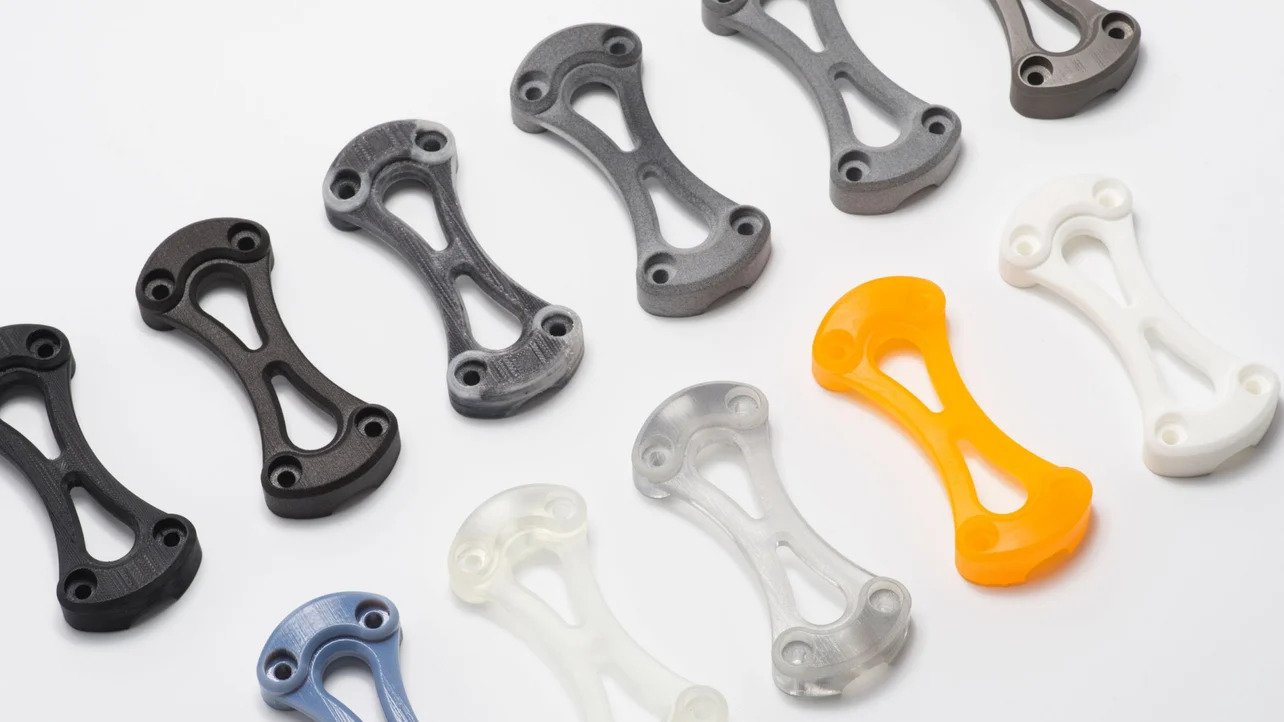
3D printed prototypes in various materials and colours demonstrating rapid prototyping capabilities

Testing and Validation

Systematic testing confirms that the product meets its requirements:

  • Performance testing β€” Verifying the product meets functional specifications under expected conditions
  • Environmental testing β€” Evaluating performance across temperature, humidity, and other environmental extremes
  • Durability testing β€” Accelerated life testing to predict long-term reliability
  • Safety testing β€” Confirming compliance with applicable safety standards
  • User testing β€” Gathering feedback on usability, ergonomics, and overall experience

Test results drive design refinements and provide documentation needed for certification.

Regulatory Certification

Many products require third-party certification before they can be sold. This process typically involves:

  • Standards identification β€” Determining which standards apply to your product and target markets
  • Pre-compliance testing β€” Internal testing against standard requirements before formal submission
  • Certification submission β€” Working with certification bodies (CSA, ETL, UL, etc.) to test and approve the product
  • Documentation preparation β€” Compiling the technical files and test reports required for certification

Planning for certification early in development helps avoid costly redesigns when requirements surface late in the process. We’ve seen projects where certification was treated as an afterthought β€” resulting in significant rework and delays. Building it into the plan from the start is one of the most effective ways to protect your timeline and budget.
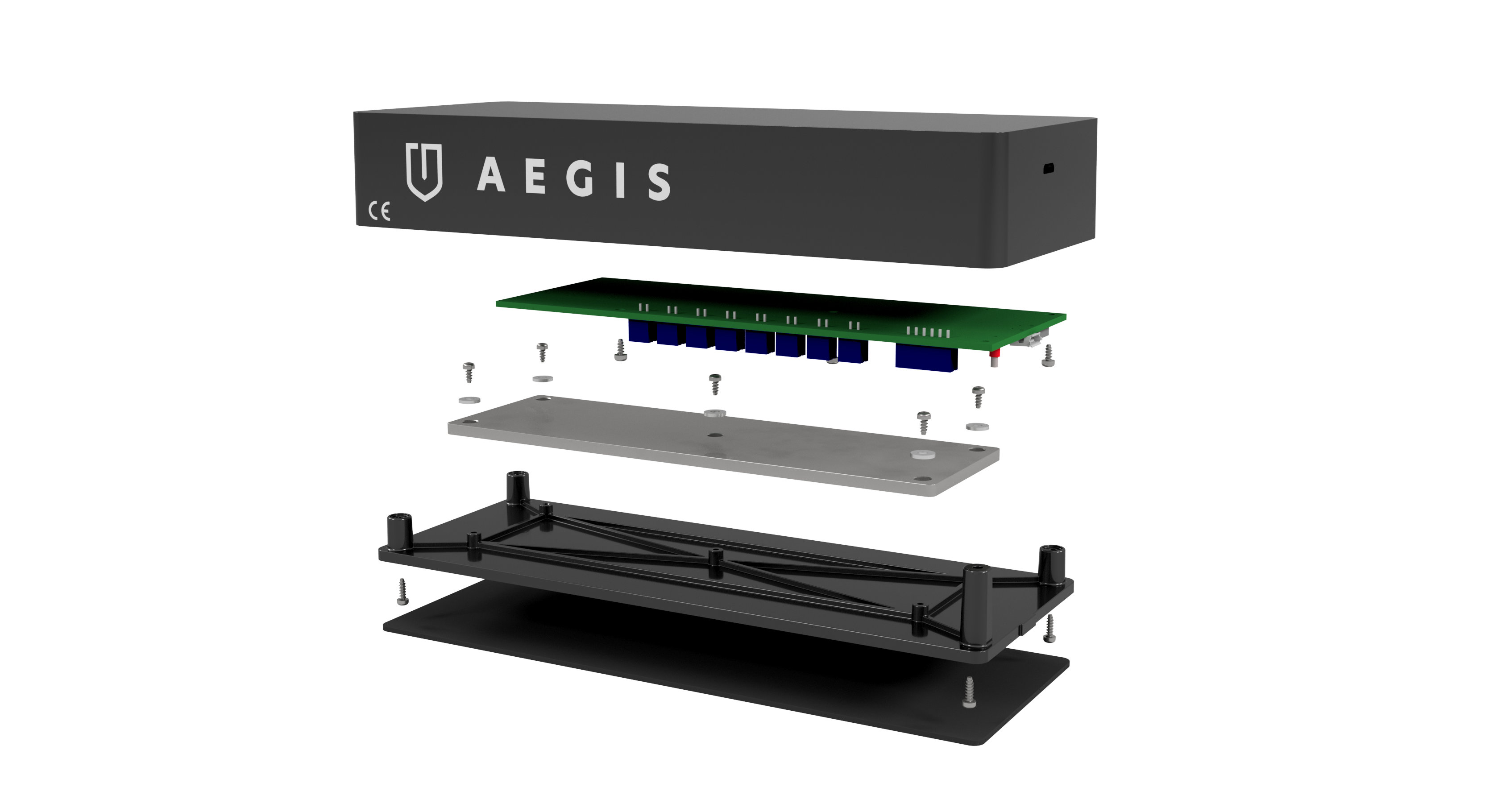
Exploded view of an electronic enclosure assembly showing all components

Phase 5: Manufacturing Preparation

Production Process Development

Transitioning from prototype to production requires developing robust manufacturing processes:

  • Process documentation β€” Detailed work instructions for each manufacturing step
  • Tooling and fixtures β€” Custom jigs, moulds, or fixtures needed for consistent production
  • Quality control procedures β€” Inspection methods and acceptance criteria for each operation
  • Process validation β€” Confirming that manufacturing processes consistently produce conforming parts
Supply Chain Development

Building a reliable supply chain involves more than identifying vendors:

  • Supplier quality assessment β€” Evaluating production capabilities and quality systems
  • Lead time management β€” Establishing order timing to support production schedules
  • Alternative sourcing β€” Identifying backup suppliers for critical components
  • Cost management β€” Negotiating volume pricing and managing economic order quantities
  • Component qualification β€” Validating that supplied parts meet specifications
Pilot Production Runs

Limited production runs validate manufacturing processes before full-scale production. Pilots typically verify:

  • Process capability β€” Statistical measures to ensure processes consistently meet specifications
  • Assembly efficiency β€” Time studies and process flow analyses to optimize production
  • Quality systems β€” Effectiveness of inspection methods and documentation
  • Supply chain integration β€” Material flow and component availability

Pilot runs often reveal issues not apparent in prototype production, as volume manufacturing introduces variables like operator training, process variability, and supply chain coordination. This is the final validation step before committing to full-scale production β€” and it’s where the investment in proper design and documentation pays off most visibly.
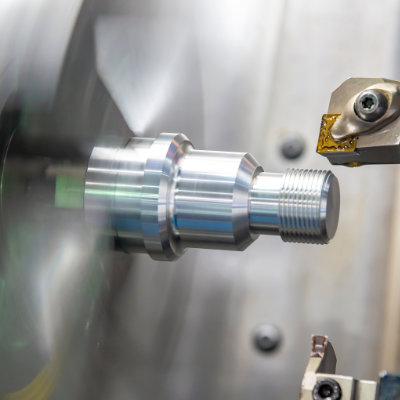
CNC lathe manufacturing a precision machined component

Phase 6: Manufacturing and Market Launch

Production Implementation

Transitioning to ongoing production requires careful management of:

  • Documentation transfer β€” Ensuring manufacturing partners have complete, current information
  • Process validation β€” Verifying that production processes consistently meet specifications
  • Quality system implementation β€” Establishing ongoing monitoring and control procedures
  • Production scheduling β€” Coordinating component procurement with assembly timelines
Technical Documentation

Comprehensive documentation supports product deployment and ongoing use:

  • Installation manuals β€” Detailed procedures for product setup
  • User manuals β€” Operation instructions and maintenance procedures
  • Service documentation β€” Troubleshooting guides and repair procedures
  • Training materials β€” Resources for sales, support, and end-user training

Effective documentation uses clear language, visual aids, and structured organization to support users with varying technical backgrounds.
Professional product user manual with clear illustrations and instructions

Phase 7: Post-Launch Support and Future Development

Performance Monitoring

Systematic data collection provides valuable insights for product improvement:

  • Warranty data analysis β€” Identifying recurring issues or failure modes
  • Customer feedback β€” Gathering user experiences and suggestions
  • Field performance monitoring β€” Tracking reliability metrics and usage patterns
  • Support ticket analysis β€” Identifying common questions or confusion points

This information creates a feedback loop that informs both immediate corrective actions and longer-term product evolution.

Continuous Improvement

Structured improvement processes transform feedback into product enhancements:

  • Issue prioritization β€” Ranking improvements based on impact and implementation complexity
  • Root cause analysis β€” Identifying underlying design or process factors
  • Solution development β€” Creating and validating design modifications
  • Implementation planning β€” Coordinating changes with production schedules
Next-Generation Planning

Insights from current products inform future development through:

  • Technology roadmapping β€” Identifying emerging capabilities for future incorporation
  • Platform planning β€” Developing modular architectures that support product variants
  • Market trend analysis β€” Anticipating evolving customer needs and competitive responses

Let’s Get Started Together

Successful product development combines technical expertise, systematic processes, and strategic planning. While the journey from concept to market presents numerous challenges, understanding these phases helps you anticipate obstacles and allocate resources effectively.

For first-time product developers, partnering with an experienced engineering team significantly reduces development risk. You bring the industry knowledge, the market insight, and the vision for your product. We bring the engineering expertise, the prototyping capability, and the structured process to turn that vision into a product you can manufacture, sell, and scale.

Riganelli Engineering specializes in comprehensive product development services, from initial concept through manufacturing support. Whether you’re developing your first product, expanding an existing lineup, or picking up where a previous effort left off β€” reach out and let’s talk about your project.

All Articles
More articles and insights from Riganelli Engineering.

Ready to work together?

Tell us about your project and let's get started.