Bringing a product to market is not cheap. Depending on complexity, you may be looking at tens of thousands to hundreds of thousands of dollars. If you’ve explored product development before and were surprised by the costs — or worse, spent money without getting a finished product — you’re not alone. Understanding where the money goes is the first step toward making a smart investment.
The good news is that design is typically just 5–20% of the total cost to bring a product to market, and getting the design right saves significant time and money at every stage that follows. Successful businesses treat product development not as an expense, but as an investment in growth, independence, and long-term competitiveness.
Let’s break down the costs involved in hiring a professional product design firm so you can plan with confidence.
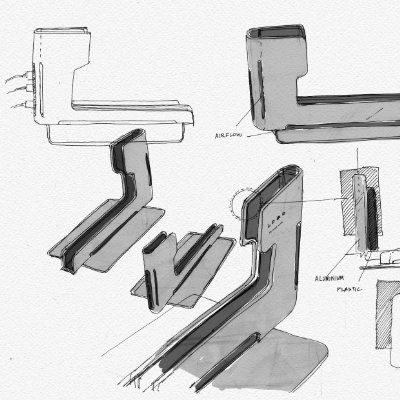
Most professional product design firms offer a comprehensive range of services to give your product the best possible chance of success. You may not need all of them, but nearly every project requires most of these:
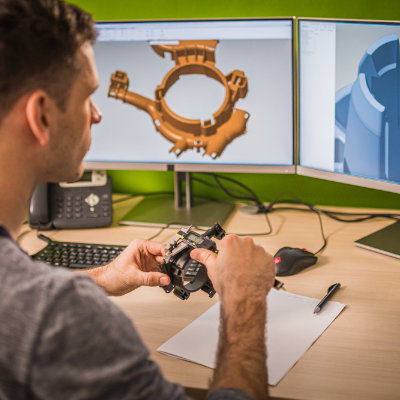
Costs depend on the scope of the design, regulatory requirements, prototyping needs, and the level of project management required. Complexity is the biggest cost driver, so keeping things as simple as possible is always worthwhile.
To give you a sense of scale, here are a couple of practical examples.
Example 1: A manufacturer expanding their product line. Imagine your company manufactures and sells high-end barbecues and grills. You have 5–50 employees, deep market knowledge, but no in-house design capability. You want to develop a new outdoor grill — fairly simple, no electronics, with an attractive industrial look.
Example 2: A distributor launching a proprietary product. You’ve been reselling industrial equipment for years and you’re ready to develop your own version. You know the market inside and out, but you need engineering support to turn that knowledge into a manufacturable product. The design and engineering costs would be similar to the example above, scaled to your product’s complexity. The key difference is that by investing in your own design, you gain full control over the product — your margins, your brand, your manufacturing choices.
These numbers provide a rough framework. Every project is different, and we’re always happy to help you develop a realistic cost estimate for your specific product.
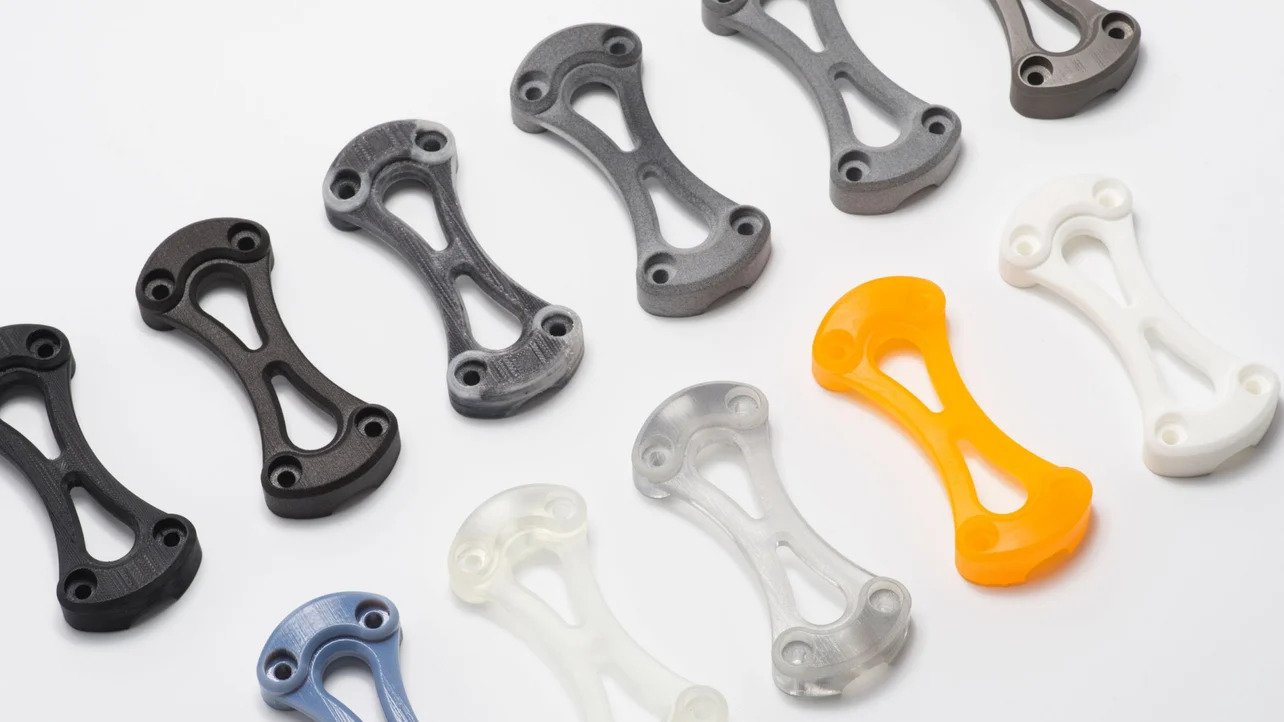
For extremely simple products — one or two parts — you may be able to minimize design investment. But for anything with real complexity, trying to manufacture and sell a poorly designed product will quickly drain your time, money, and momentum.
This is where reality catches up with poor design. Injection-moulded plastic parts offer the clearest example: the parts themselves are cheap, but the moulds are extremely expensive — especially if the part wasn’t designed per DFM (design for manufacturing) principles. Overly complex moulds can make a part too expensive to produce profitably. The same principle applies to sheet metal, CNC machining, and even custom electronics.
A related issue is proceeding without proper manufacturing drawings. Without good drawings, you won’t have a good end product.
Even a well-designed and expertly manufactured product can fail to meet regulatory and certification standards. An entire production run and all associated tooling may need to be scrapped if certification bodies don’t approve the product. To minimize this risk, a prototype should be submitted for testing before investing in full production.
Professional product design firms have access to current standards and regulations and know how to meet requirements as cost-effectively as possible.
Creating a new product is exciting, but without a plan, it’s easy to stumble. We’ve worked with businesses that spent months going back and forth — changing requirements, exploring tangents, and losing momentum — before realizing they needed a structured process to move forward.
Investing in proper concept development, market research, and product planning goes a long way toward project success. A good design firm brings tried-and-tested processes to keep development on track, with clear milestones so you always know where you stand and what’s coming next.
Bringing a product to market is a serious investment, but it’s also one of the most impactful things you can do for your business. A well-designed product gives you control — over your margins, your brand, your supply chain, and your growth trajectory. The key is having a solid plan and a team with experience navigating the process.
You bring the industry knowledge and the vision for your product. We bring the engineering expertise, the prototyping capability, and the structured process to make it happen efficiently. If you’re ready to take the next step, reach out to Riganelli Engineering. We’ll help you understand the costs for your specific project and develop a plan that makes the most of your investment.