We’ve worked with a number of businesses that came to us after a frustrating experience. They had a product designed, felt confident in the 3D model, and decided to skip prototyping to save time and money. They sent the design straight to a manufacturer, ordered tooling, and waited for the first production run. What arrived didn’t fit together properly, didn’t perform as expected, or needed significant rework before it could be sold. Months of delays and tens of thousands of dollars later, they were back at square one - wishing they had built a prototype first.
If this scenario sounds familiar, you’re not alone. The pressure to get to market quickly is real, and prototyping can feel like an unnecessary delay when the design looks good on screen. But what looks right in CAD and what works in the real world are often two very different things. Skipping the prototype phase doesn’t eliminate the problems prototyping is designed to catch; it just moves them downstream where they’re far more expensive to fix.
The decision to skip prototyping is usually driven by understandable pressures. Budgets are tight, timelines are aggressive, and the 3D model looks like a finished product. It’s tempting to believe that modern design tools have made physical testing unnecessary.
Cost is the most common reason. Building prototypes requires materials, machine time, and engineering hours. When you’re already investing in design and tooling, the additional expense can feel hard to justify, especially if you’ve never been through the product development process before.
Timeline pressure is another factor. If your competitor just launched a similar product or your customers are asking when yours will be available, every week matters. Prototyping adds time to the front end of the project, and it’s easy to convince yourself that you can move faster without it.
There’s also a confidence factor. A detailed 3D CAD model can look incredibly real. You can rotate it, zoom in on every feature, and even run simulations. It’s natural to assume that a design that looks this complete must be ready for production. But a CAD model, no matter how detailed, is still a digital representation. It can’t tell you how the product feels in your hands, whether the parts actually fit together smoothly, or how the mechanism behaves under real-world loads.
When prototyping is skipped, the first time anyone holds a physical version of your product is when the production parts arrive. By that point, you’ve already committed significant capital to tooling, materials, and manufacturing setup. Any problems discovered now are dramatically more expensive to fix.
For products involving injection molding, casting, or custom tooling, the financial exposure is significant. A single injection mold can cost $10,000 to $50,000 or more. If the part doesn’t function correctly once it’s molded - maybe a wall is too thin, a snap fit doesn’t engage, or a boss cracks under load - the mold may need to be modified or, in the worst case, scrapped and remade.
The same principle applies to sheet metal parts where forming tools and laser programs are built around specific geometries, or CNC machined components where fixtures have been designed for a particular part configuration. Changes at this stage don’t just cost money for the rework itself; they often cascade into changes to other parts in the assembly.
Each problem discovered in production triggers a chain of events: diagnosis, redesign, re-tooling, re-manufacturing, and re-inspection. A single issue can add weeks to your timeline. Multiple issues - which is common when prototyping has been skipped - can push your launch back by months.
These delays also affect your relationship with your manufacturer. Frequent changes erode confidence, complicate scheduling, and can move your project to the back of the queue. If you’re working with multiple suppliers, one delayed component can hold up the entire assembly.
The worst-case scenario is a product that reaches your customers with preventable problems. Functional issues, poor fit and finish, or premature failures don’t just generate warranty claims and returns; they damage the reputation you’ve spent years building with your customers. For businesses entering a market for the first time with a proprietary product, a poor first impression can be difficult to recover from.
Prototyping is often misunderstood as simply “making a sample.” In practice, it’s a structured process with distinct phases, each designed to answer specific questions about the product before committing to production.
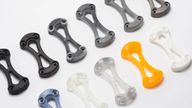
The first prototypes are often fast, low-cost models built to validate form, size, and ergonomics. 3D printing is ideal at this stage. A concept model can be printed overnight and in your hands the next morning. Is the product the right size? Does the handle feel comfortable? Does it look right sitting next to the equipment it’s designed for?
These models aren’t meant to be functional. They’re meant to answer questions that a screen can’t. Holding a physical model often triggers insights that weeks of staring at a CAD model won’t reveal. We’ve seen clients completely rethink a product’s form factor after holding a concept model for the first time.
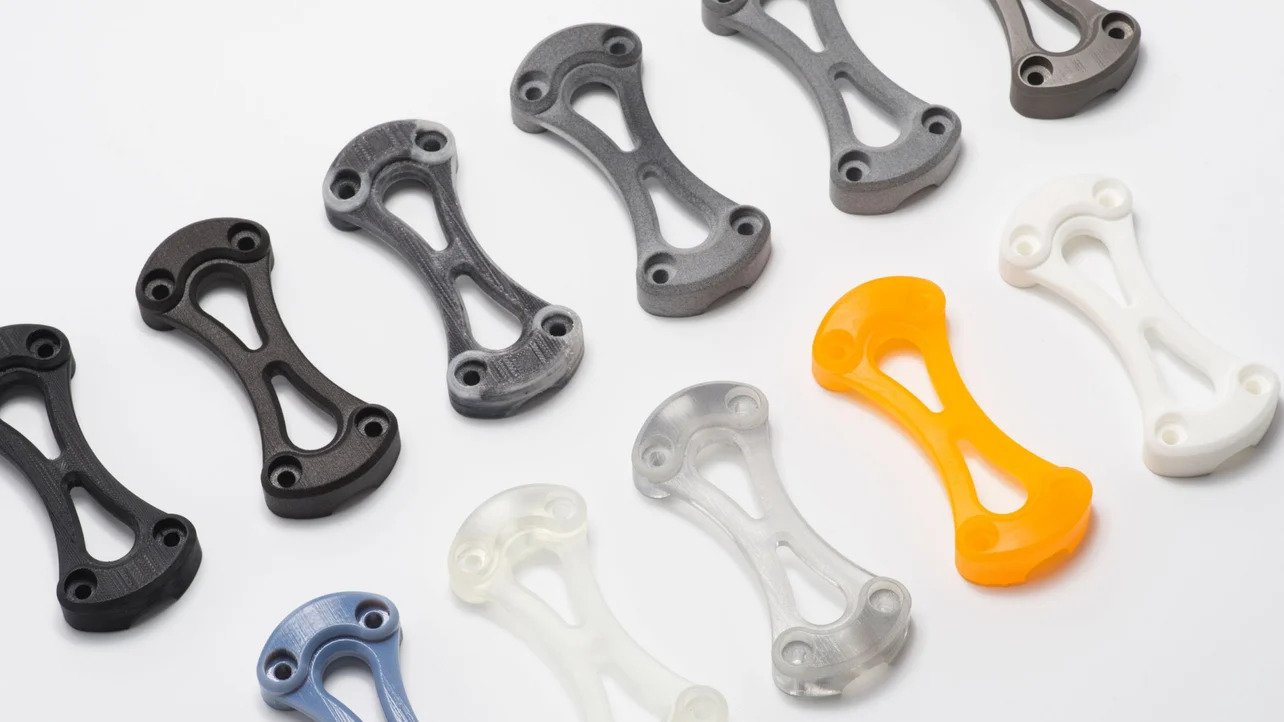
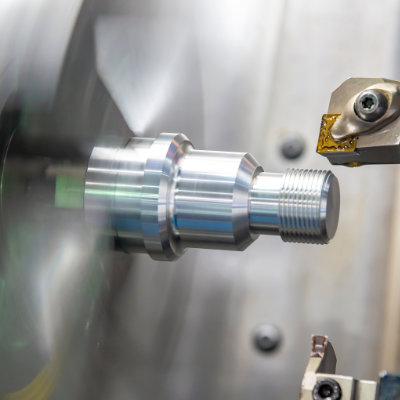
Once the concept is validated, functional prototypes are built from production-representative materials. CNC machined aluminum parts, laser-cut steel components, and injection-molded plastics (using prototype tooling) let you test real performance under real conditions.
Does the mechanism operate smoothly? Do the parts fit together with the intended clearances? Can the product withstand the loads it will see in the field? These are questions that only a functional prototype can answer. Testing at this stage is dramatically cheaper than discovering the same issues after production tooling has been built.
The final stage of prototyping brings every component together into a complete, functional product. This is where the design is truly validated. The assembly process itself reveals whether parts can be put together efficiently, whether fastener access is adequate, and whether the assembly sequence makes sense for production.
Real-world testing under actual use conditions catches issues that simulations and bench tests miss. How does the product perform over repeated cycles? Does the electronics enclosure manage heat effectively? Are there vibration or noise issues that weren’t apparent in the model? Every issue caught here is one that won’t reach your customer.
The cost of prototyping is real, but it’s a fraction of the cost of the problems it prevents. A design change during the prototyping phase might cost a few hundred dollars in reprinted or re-machined parts. The same change after production tooling has been built can cost tens of thousands.
Consider a practical example. A functional prototype reveals that a snap-fit feature doesn’t engage reliably. Fixing this takes a few hours of design work and a new 3D-printed part to verify the solution. Total cost: a few hundred dollars and a day or two of time. Without prototyping, the same issue surfaces after a $30,000 injection mold has been cut. Now you’re looking at mold modifications, new sample runs, and weeks of delay.
Prototyping also reduces the back-and-forth with your manufacturer. When you arrive at production with a design that’s already been built, assembled, and tested, the manufacturer receives clear documentation backed by proven results. There are fewer questions, fewer surprises, and a smoother path to a successful first production run.
For products that require third-party certification (CSA, UL, ETL), prototyping is especially important. Submitting a tested, validated prototype to a certification body is far more likely to result in a clean pass than submitting a design that’s never been physically tested. Certification failures at the production stage can be among the most expensive and time-consuming setbacks a project can face.
Finally, the iteration speed that prototyping enables often results in a better product overall. Each build-test-refine cycle improves the design in ways that pure analysis can’t replicate. The end result isn’t just a product that works; it’s a product that works well, assembles efficiently, and manufactures reliably.
Prototyping isn’t an extra step that slows you down. It’s the step that makes everything after it faster, cheaper, and more predictable. The businesses we work with that invest in prototyping consistently reach production sooner, with fewer problems and lower total costs than those that try to skip it.
You know your market, your customers, and what your product needs to do. We bring the engineering expertise, the in-house prototyping capability, and a structured process to validate your design before you commit to production. From 3D-printed concept models to fully assembled and tested prototypes, we work with you to catch the problems that matter before they become expensive.
If you’re developing a new product or picking up the pieces from a development effort that moved too quickly, reach out to Riganelli Engineering. We’ll help you plan a prototyping strategy that protects your investment and sets your product up for a successful launch.