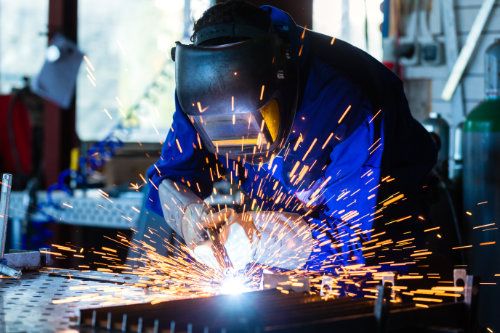
If you’ve ever received a welded product that cost more than expected, arrived late, or needed rework before it was usable — the root cause was likely a design issue, not a manufacturing one. Weldment design is one of those areas where a little expertise up front prevents a lot of pain down the road.
A weldment is an assembly created by welding together commonly available metal products such as sheet metal, plate, tube, and structural sections. Compared to casting or machining, weldments are often more cost-effective, with fewer restrictions on size and quantity. When designed correctly, they deliver strong, lightweight, and economical results. When designed poorly, they can drive up costs without adding any real benefit.
You know your product and your market better than anyone. We bring the engineering knowledge to translate that into a weldment design that performs, manufactures efficiently, and keeps costs under control. Together, we can develop a strategy that takes full advantage of what welded assemblies have to offer.
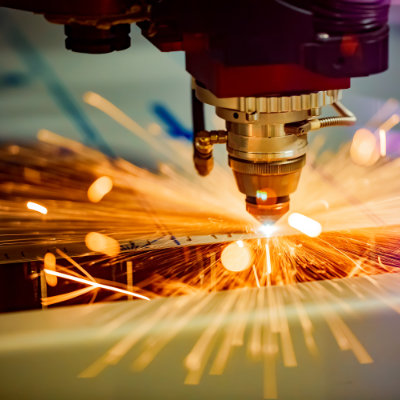
Whether you’re developing a new piece of industrial equipment, redesigning an existing product to reduce costs, or launching a proprietary product line for the first time, weldments can be an excellent way to reduce overall cost and complexity. They’re particularly effective at minimizing weight while maintaining the strength and functionality your application demands — and they’re faster and cheaper to manufacture because they require no specialized tooling.
Key benefits include:
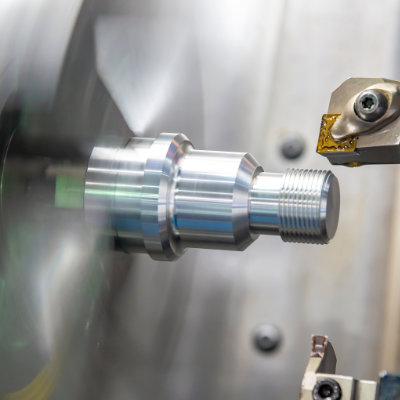
Weldment design is a multi-step process that requires an understanding of the application, materials, welding technology, and joint design. Here’s a breakdown of the key considerations.
As with any design effort, it’s important to define the purpose of the weldment before diving into the details. Where does it fit within the larger product? What are the performance requirements, budget constraints, and production timelines? Answering these questions early helps us produce an efficient design and reduces the risk of over-engineering.
Weldments are typically made from steel or aluminum, each with distinct advantages:
Joints should be optimized to use the minimum amount of weld material while still achieving the required strength. Choosing the wrong joint type can significantly increase welding costs or compromise the product’s function.
Equally important is designing joints that are easy to weld. Overcomplicated assemblies with complex joints make it difficult for welders to achieve consistent, high-quality results.
The choice of welding process has a direct impact on cost and quality:
Selecting the right process for your application is an important part of keeping costs under control.
Overwelding — specifying continuous welds where intermittent welds would suffice, or oversized throat dimensions — is one of the most common and costly mistakes in weldment design. The consequences include:
A well-defined welding procedure ensures consistent results while meeting code requirements. The designer and fabrication shop should collaborate on the process before production begins. A few ways to reduce costs through procedure optimization:
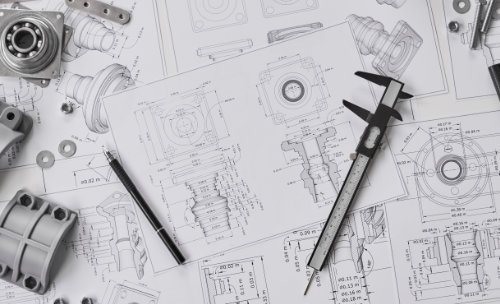
The proper use of weldments in product design can significantly reduce overall costs, lead times, and part complexity. Many of our clients come to us after experiencing the frustration of poorly designed weldments — products that cost too much, took too long, or didn’t perform as expected. With the right design approach, those problems are avoidable.
When you work with us, you stay in control of your product. We combine your industry knowledge with our engineering expertise to develop a weldment design that’s optimized for your application, your budget, and your manufacturing timeline. The result is a product you own completely — with professional drawings, manufacturing files, and the confidence that it’s been designed right.
If you’re developing a product that involves welded assemblies, reach out to Riganelli Engineering. We’ll help you understand your options and build a design plan that sets your product up for success.