Turning an idea into a functioning, profitable product is more complex than most people expect. Even the best ideas can fail to reach the market due to fundamental execution errors. If you’ve attempted product development before and found it slow, expensive, or inconclusive, you already know how challenging it can be without the right support.
Good product development requires a comprehensive process that spans multiple industries and areas of expertise. This is where a product design firm becomes invaluable. Think of it as having your own in-house engineering department — without the overhead. A design firm brings experienced professionals across a range of disciplines who understand the full product lifecycle, from concept development through planning, design, manufacturing, and beyond.
Whether you’re a product-based business looking to expand your lineup, a distributor ready to launch your own brand, or a startup with a validated idea that needs engineering muscle — here’s a closer look at what a product design firm can do for you.
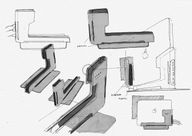
Every new product begins with an idea that needs to be refined through a formal concept development process. A product design firm helps expand on your initial idea, generating different options that meet your functional requirements within the framework of what’s practical to manufacture.
At this stage, designers also begin solving larger technical challenges and may create proof-of-concept prototypes to reduce risk and save time down the road. For many of our clients, this is the phase where a vague idea becomes something concrete and actionable — often within just a few weeks.
Many successful products are improved or redesigned versions of existing ones. If you’re already selling a product but know it could be better — lighter, cheaper to produce, more reliable — a design firm can help you rethink it while keeping what works.
A product design firm conducts the research needed to understand the competitive landscape: identifying similar products already on the market, reviewing their features, and determining which technologies can best enable your product’s functionality.
Competitive analysis highlights gaps in the market and helps set target specifications. If you’re a distributor who’s been reselling competitors’ products for years, you likely already have deep insight into what works and what doesn’t — that knowledge is incredibly valuable at this stage. Working with manufacturers early can also uncover potential design challenges or reveal more cost-effective ways to produce the product.
Once the concept is defined, a detailed product plan is developed. This includes finalizing the product specification, calculating cost estimates, and performing competitive analyses.
A product specifications document captures every requirement the product must meet — performance metrics, materials, regulatory standards, and more. This document becomes the foundation for all design decisions and helps keep the project on track and on budget. For businesses that have experienced scope creep or runaway costs in past development efforts, this planning phase is often the difference between a project that stays on course and one that doesn’t.
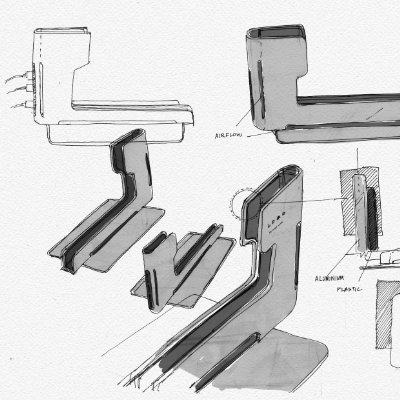
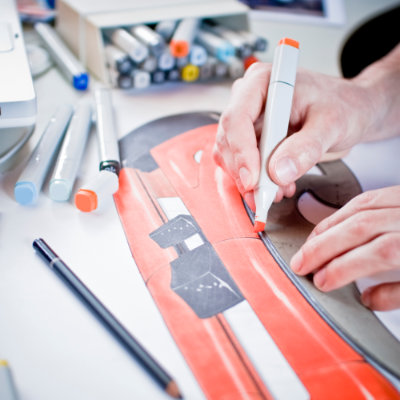
Industrial design focuses on the product’s form, aesthetics, and user interaction. A well-designed product not only functions well but looks professional and is intuitive to use. This is especially important for products that will be seen and handled by end users.
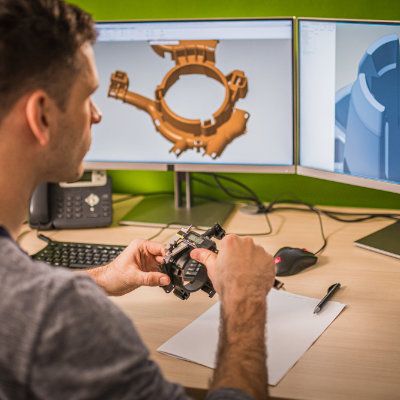
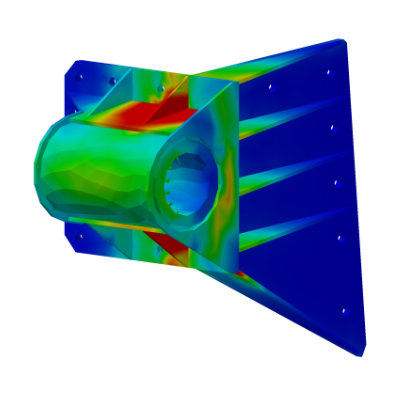
Mechanical design is the core engineering work — ensuring the product is structurally sound, functionally reliable, and safe. This involves detailed calculations, material selection, and the use of specialized tools like FEA (finite element analysis) to validate that the product will perform as expected under real-world conditions.
A product design firm employs professionals who understand proper design practices and can ensure your product conforms to relevant manufacturing and safety standards. Material selection is a critical part of this process, as every material has its strengths and weaknesses. Strength, corrosion resistance, manufacturability, and cost are just a few of the factors that need to be carefully considered.
For products with electrical systems, a design firm handles the integration of electronics with the overall product. This can include custom PCB development, circuit design, component selection, wiring harness design, motor sizing, firmware and software development, and all associated documentation.
Products need to be designed so they can be manufactured efficiently at the lowest possible cost while maintaining high quality. This process — known as design for manufacturing (DFM) — requires an understanding of a wide range of manufacturing processes and their limitations.
DFM isn’t a separate phase; it’s an ongoing consideration that’s refined throughout the design and prototyping stages, as well as during manufacturing itself.

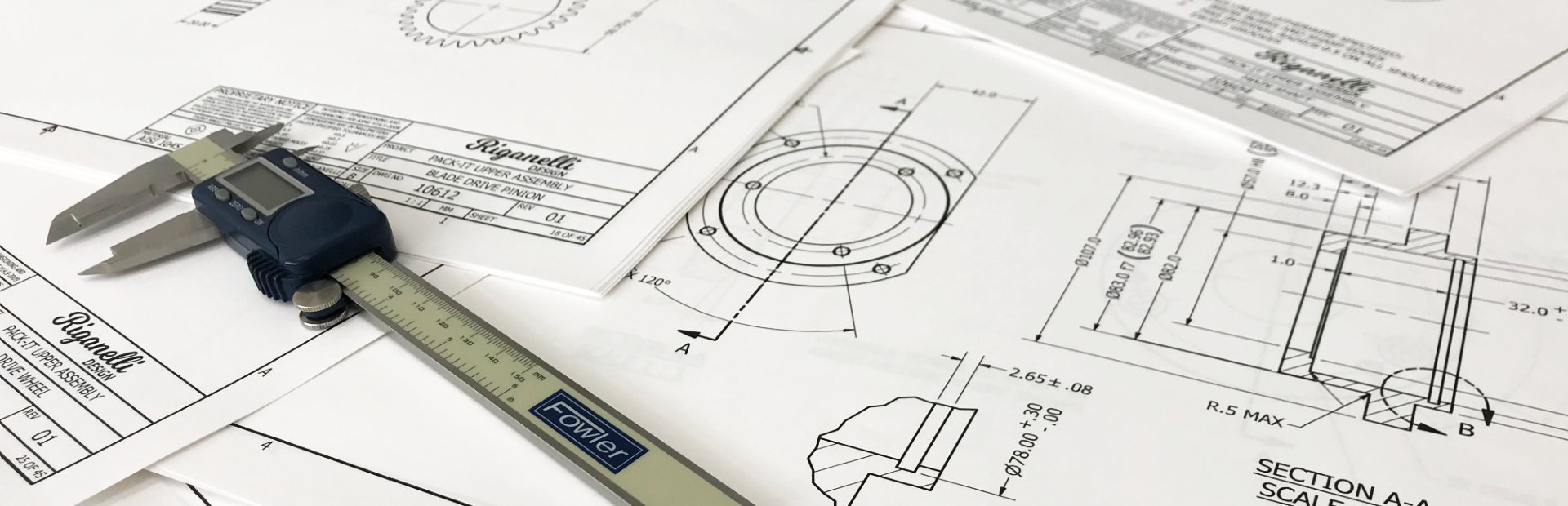
At the end of the design process, a product design firm delivers a complete 3D CAD model along with a full set of professional manufacturing drawings and other production files. This documentation streamlines engagement with manufacturers and ensures your product can be reliably produced at scale.
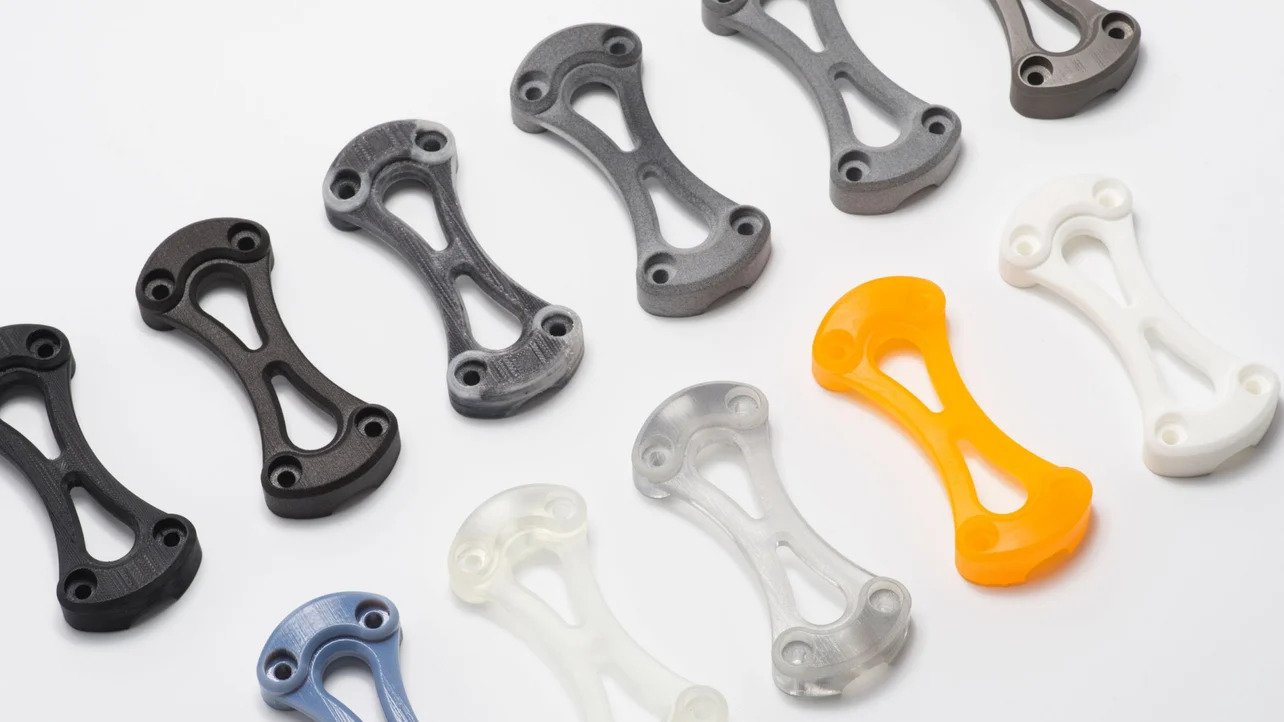
Prototyping is a critical step in product development. A design may look perfect on paper, but there are always improvements to be found once the physical product is built and tested. Prototyping also helps evaluate the manufacturing process and identifies potential assembly challenges before full production begins.
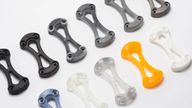
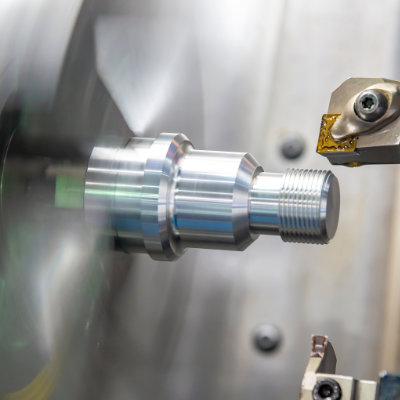
With in-house prototyping capabilities like 3D printing, CNC machining, and electronics assembly, a design firm can go from design to physical prototype in days rather than weeks or months. This rapid iteration is one of the biggest time-savers in the entire development process — and it means you can hold your product in your hands much sooner than you might expect.
Once the prototype is ready, it’s put through realistic testing that simulates the product’s expected operating conditions. This validation step confirms performance before committing to mass production, reducing the risk of costly surprises down the line.
Once the final prototype is approved, the manufacturing drawings are updated to reflect any changes from prototyping and testing. These drawings are then used to source manufacturers.
If a manufacturer was engaged early in development, they’ll be able to offer shorter lead times, lower costs, and will generally prioritize your production since the product is well-designed for their facility.
A product design firm has extensive experience working with manufacturers, helping ensure the lowest possible prices while maintaining the quality and timelines your project demands.
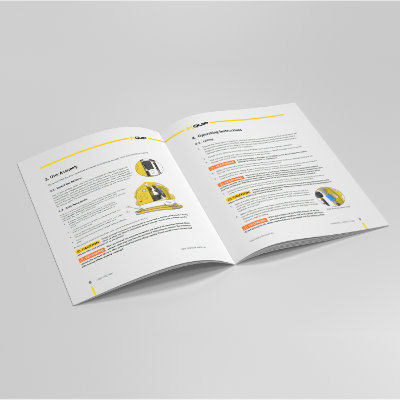
Product documentation helps your customers use the product correctly and safely. User manuals must be produced using clear, concise language and follow any relevant standards. A poorly written manual can result in customer injury, product damage, or at the very least, a negative user experience.
A good product design firm creates high-quality user manuals and technical documentation that is accurate and consistent with your branding.
The 3D CAD models created during product development can serve as the foundation for photorealistic renders, animations, interactive experiences, and other marketing materials.
Even before manufacturing begins, photo-real renders can feature your product in advertisements and on your website. A product design firm can produce these materials and even help integrate them into your marketing channels — giving you a head start on sales while your product is still in development.
An experienced product design firm gives you access to the engineering capability you need — without building an internal department from scratch. You bring the industry expertise and market knowledge; we bring the engineering skills, tools, and processes to turn your idea into a product you can manufacture, sell, and scale.
Whether you’re developing your first product, expanding an existing lineup, or recovering from a development effort that didn’t deliver — we’re here to help. Reach out to Riganelli Engineering to learn how we can serve as your dedicated product design team, from initial concept through to a market-ready product.