Bringing a new product to market requires significant investment in both time and capital. It may seem efficient to rely on your manufacturer to handle the design as well — after all, they know how to make things. But this approach carries serious risks that can end up costing far more than the savings you hoped to achieve.
We’ve worked with a number of clients who started down this path. A manufacturer agreed to design the product, progress stalled, costs climbed, and months later the business was left with an incomplete design they didn’t fully own. If this sounds familiar, you’re not alone — and it’s a situation that can be turned around.
At its core, the issue is one of separation of responsibilities. A professional design team develops the product; a professional manufacturing team builds it. Both excel in their respective areas, and keeping these roles distinct avoids conflicts of interest that can compromise your product.
Product design typically begins with a specifications document outlining performance metrics, budget, and other top-level requirements. A good designer uses this information to develop the product in the most efficient and cost-effective way possible, including selecting the optimal manufacturing technique for each component.
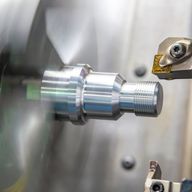
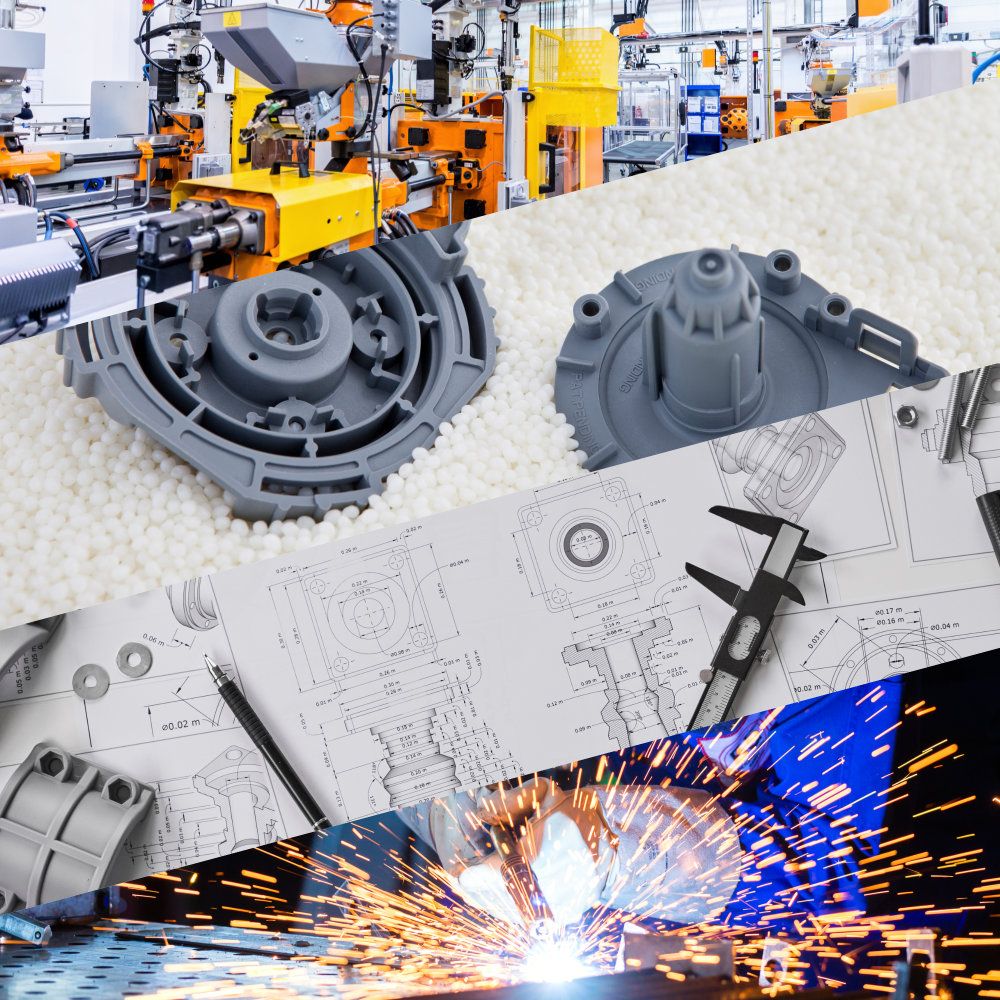
Products are often made using a wide range of processes — injection moulding, machining, casting, laser cutting, and more. An independent designer makes unbiased decisions about which technique best suits each part, based purely on function, cost, and quality.
A dedicated design firm also brings a structured process: comprehensive planning and conceptualization, design optimization through calculations and software, prototyping and testing, and other services that save time and money in the long run. Critically, an independent designer works for you — their only goal is to deliver the best possible product within your budget and timeline.
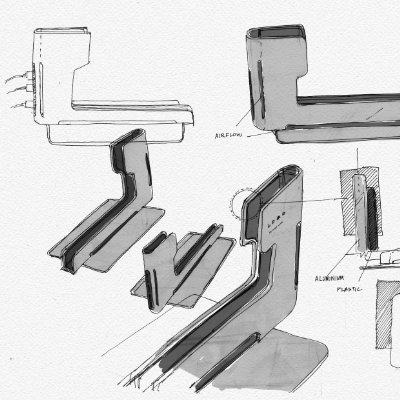
A manufacturer’s job is to fabricate parts and assemblies according to a set of supplied drawings. They can also provide valuable insight into design for manufacturing (DFM) practices specific to their machinery and expertise. This input is invaluable early in the design process and helps ensure a smooth transition from design to production.
However, manufacturers don’t typically involve themselves in the broader product design. The designer should collaborate with manufacturers on specific manufacturing issues, but the overall product development should remain with the design team.
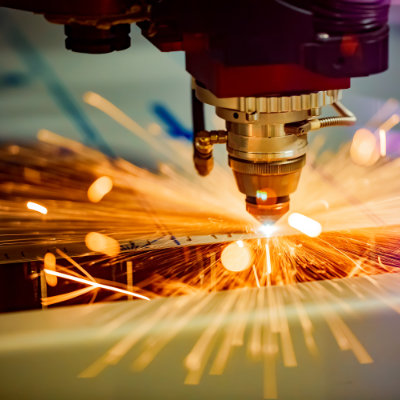
A manufacturer will naturally design around their own capabilities. If they only have CNC milling machines, they may design a simple flat connection plate to be machined — even though laser or plasma cutting would be significantly cheaper and faster. This bias toward in-house processes can inflate costs across your entire product.
For example, imagine you’re a distributor developing your first proprietary product. You ask your existing supplier to design it. They’ll optimize the design for their own shop — not for the most cost-effective combination of processes across the market. You end up paying more per unit, with no easy way to source alternatives.
Manufacturers are experts at using their specific machinery to meet client specifications. But that doesn’t mean they have deep expertise in product design, your application, or the broader market landscape.
A manufacturer’s design may not meet all your performance requirements, or the process may drag on as they work to understand a product outside their core competency. Since design isn’t their primary revenue stream, it can eventually become a low priority — leading to neglected development tasks and incomplete work. We’ve seen this scenario play out with a number of clients who then needed a dedicated design team to pick up the pieces.
Protecting your intellectual property is critical when bringing a product to market — and it’s one of the most important ways you maintain control over your business. When a manufacturer designs your product, the question of who owns the IP is often overlooked.
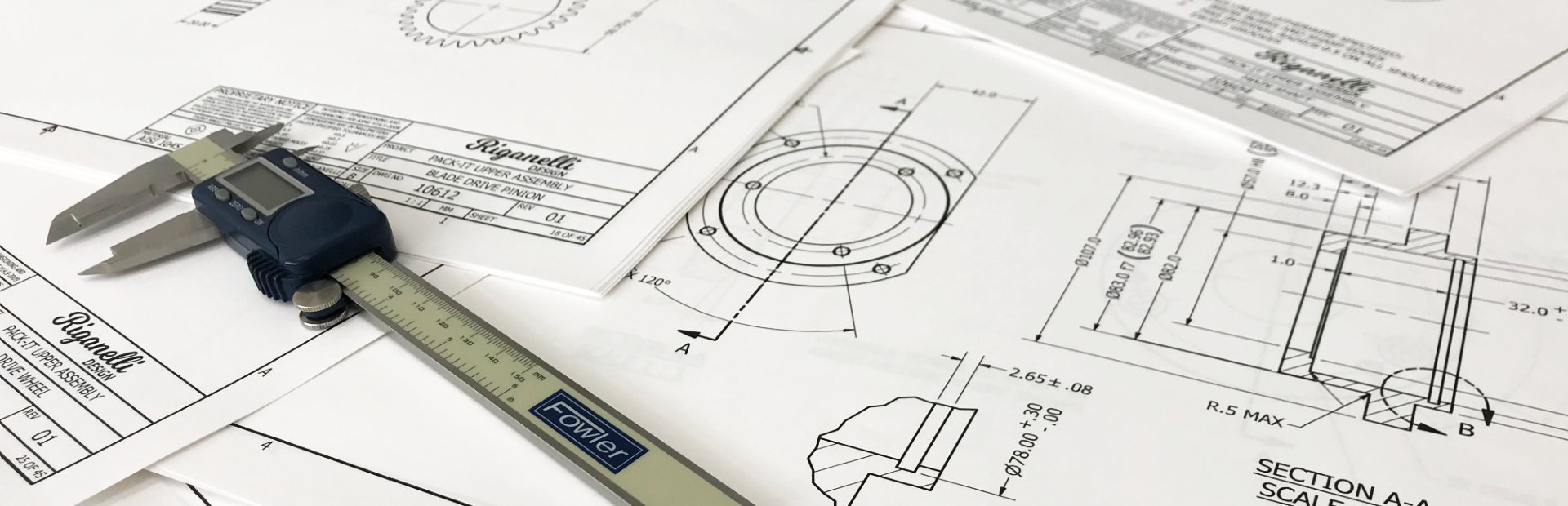
In the worst case, a manufacturer can claim ownership of the design they created and deny you the drawings you need. Even without malicious intent, using drawings that feature another company’s title block and logo to approach a different manufacturer can create serious relationship problems. We’ve seen businesses effectively locked into a single supplier because they didn’t own their own design documentation.
We’re not suggesting you give your manufacturer the cold shoulder — quite the opposite. Your relationship with your manufacturer can make or break your business, and close collaboration is essential. But asking them to take on a role they aren’t set up for puts everyone in a difficult position.
Bringing in an independent design team to provide professional drawings and manage the design process is a win for everyone involved. The manufacturer receives clear, complete documentation and can focus on what they do best. You retain full ownership of your product, your drawings, and your IP. And the design is optimized across all manufacturing processes, not just one.
The outcome is a product you control completely — one you can manufacture competitively, update when needed, and scale on your own terms.
Whether you’re launching your first proprietary product, transitioning from reselling to manufacturing your own line, or picking up the pieces from a development effort that didn’t go as planned — separating design from manufacturing is the most reliable path to a successful outcome.
You know your industry, your customers, and your market. We bring the engineering expertise and structured development process to turn that knowledge into a product that’s designed right, documented professionally, and ready to manufacture. Reach out to Riganelli Engineering to learn how we can help you take control of your product development.